

Echoes of Zangshan: A Dialogue Between Pu-erh Tea and Time
December 28, 2025






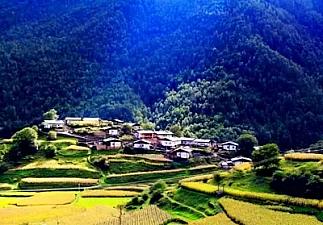
In the misty mountains of Yunnan, Pu-erh tea grows quietly, absorbing the essence of nature. It is not merely a beverage, but a sedimentation of history and a legacy of culture. Let us together enter the world of Pu-erh tea, listen to its dialogue with time, and experience its unique charm.
Echoes of Zangshan: A Dialogue Between Pu-erh Tea and Time
Echoes of Zangshan: A Dialogue Between Pu-erh Tea and Time
I remember when I was a child, every Chinese New Year, my grandmother would always send a can of Pu-erh tea from her hometown in Yunnan. The can was heavy, with a faded label and an ancient, mysterious aroma. When you opened it, a rich, aged fragrance would rush out, mingled with the scent of the mountains, as if it could instantly transport you to that misty, ancient tea mountain. At that time, I didn't understand tea, I just thought it was a special kind of "medicine," and would occasionally take a sip. The taste was bitter, but I found it endlessly lingering.
The long history and origins of Pu-erh tea.
Pu-erh tea, originally known as Pu-erh tea, is a tea unique to the Pu-erh region of Yunnan Province, named after Pu-erh Prefecture. Its history dates back to the Tang Dynasty, when it was called "陀罗尼茶" (Tuoluo Ni tea). After the Ming Dynasty, Pu-erh tea gradually became a tribute tea for the imperial court and gained widespread popularity among the people due to its unique effects and taste. The production process of Pu-erh tea is extremely complex, relying not only on its unique geographical environment and excellent tea tree varieties, but also on the hard work and superb skills of generations of tea farmers.
Green tea and black tea: Two distinctly different expressions.
Pu-erh tea is mainly divided into two types: raw tea (sheng cha) and ripe tea (shou cha). The difference between them lies not only in the production process, but also in the vitality and expression they embody.
Green Tea: The vitality of unfermented leaves
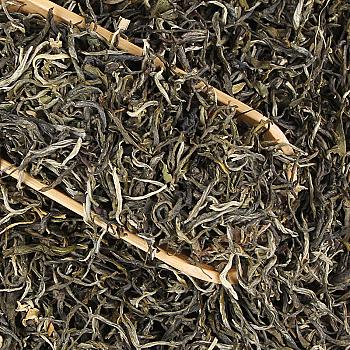
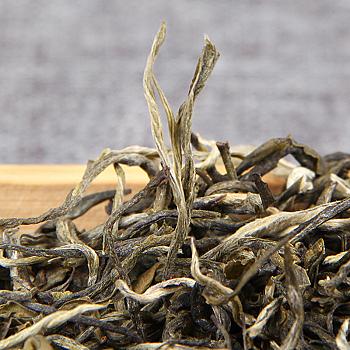
Raw tea, as the name suggests, is tea that has not undergone special fermentation processing. It retains the most original aroma and flavor of tea leaves, with a crisp, astringent taste and a long-lasting sweetness. The production process of raw tea is relatively simple, completed after plucking, followed by processes like fixation, rolling, and drying. However, the true test of a tea farmer's skill lies in "storage." During storage, natural microbial fermentation occurs, creating a unique aged aroma, and the taste gradually becomes mellow and smooth over time. Like a young person full of vitality, brimming with original momentum, waiting to be refined by time.
Ripe tea: The transformation of time and the sedimentation of richness.
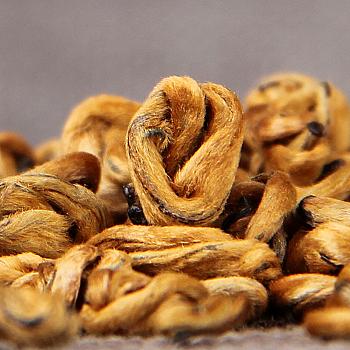
Ripe tea is tea processed through piling and fermentation based on raw tea. Piling and fermentation is a long and complex process that requires controlling temperature, humidity, and time to promote the conversion of polyphenols in the tea leaves into amino acids, thereby reducing bitterness and enhancing sweetness. Ripe tea has a mellow and smooth taste, a rich aroma, and a distinct aftertaste. Ripe tea is like an old man who has experienced the vicissitudes of life, full of the wisdom of time and radiating a mellow essence.
Artisanship: The Condensation and Inheritance of Time
Whether it's raw tea or ripe tea, its production process is full of artisanal spirit. From the harvesting of spring tea to the withering, pan-firing, rolling, spreading, and drying of the tea leaves, every step is crucial. The piling process for ripe tea requires careful nurturing by experienced tea farmers, controlling temperature and humidity to prevent mold, to ultimately obtain high-quality ripe tea. These techniques are passed down from generation to generation, embodying the wisdom and dedication of tea farmers.
Tasting Pu-erh: Perceiving Mountains and Time
Tasting Pu-erh is not just a taste experience, but also a settling of the mind. When you hold a cup of steaming Pu-erh tea, close your eyes, and savor it carefully, you can almost hear the echoes of the mountains and feel the passage of time. Bitterness is a cleansing of life, mellowness is the accumulation of years, and the aftertaste is a gift from nature.
Advice for Beginners
For beginners, tasting Pu-erh tea may require some patience. Here are some suggestions:
- Start with ripe tea: Ripe tea has a relatively mild taste and is easier to enjoy.
- Purchase from reputable channels: Ensure the quality and safety of the tea.
- Use a glass or porcelain cup: To conveniently observe the appearance of the tea leaves and the color of the tea.
- Water temperature should not be too high: 85-95℃ is ideal.
- Try different years and origins: experience the unique flavor of different teas.
The world of Pu-erh tea is vast and profound, worthy of our continuous exploration and appreciation. May you find your own peace and wisdom in the tea-drinking process.