

Oolong's Wandering Path: From Anxi to Taiwan, A Migration of Aromas
December 28, 2025






Legend has it that Anxi tea farmers lost their way in the mountains and accidentally harvested a special type of tea, thus beginning the legend of oolong tea. This article will take you to trace the origin and development of oolong tea, exploring the freshness of Anxi and the richness of Taiwan, experiencing a journey of fragrance, and savoring the unique charm of oolong tea.
Oolong's Wanderings: From Anxi to Taiwan, A Migration of Aromas
Oolong's Wandering Path: From Anxi to Taiwan, a Migration of Aromas
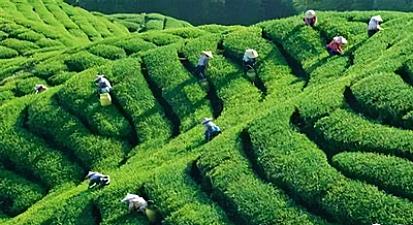
In the mountains of Anxi, Fujian, an ancient legend is told. A tea farmer named Chen, lost in the deep mountains, mistakenly harvested tea trees intended for green tea production and used green tea processing methods. However, due to the pervasive mountain mist and fluctuating temperatures, the tea developed an unprecedented flavor during the semi-fermentation process. When Chen finally emerged from the mountains and brought this "mistake" back to the village, he unexpectedly achieved great success. This is the origin of Oolong tea, a story full of coincidence and creation.
The Birth of Oolong Tea: The Freshness of Anxi
Oolong tea, also known as Qing tea, is a semi-fermented tea that falls between green tea and black tea. Its creation was not accidental, but rather the result of continuous experimentation and innovation by the people of Anxi in their exploration of tea-making techniques. Anxi oolong tea, with its unique aroma and taste, has become a representative of oolong tea.
Anxi Tieguanyin: A blend of iron and floral aroma.
Tieguanyin, from Anxi, is one of the most renowned varieties of Anxi oolong tea. Its name "Tieguanyin" refers both to the appearance of its leaves, curled like iron wires, and symbolizes the ability of drinking Tieguanyin to strengthen the body and cultivate a robust spirit. The production process of Tieguanyin is extremely complex, involving multiple steps including plucking, withering, shaking and greening, fixing, rolling, and drying. Among these, "shaking and greening" and "making green" are the crucial steps that determine the tea's aroma and quality. "Shaking and greening" refers to repeatedly turning the tea leaves on a bamboo bed, damaging them and promoting fermentation; "making green" refers to piling the tea leaves in a warm, humid environment to allow further fermentation.
The aroma of Tieguanyin is incredibly complex, with the subtle fragrance of orchids, the characteristic "camphor aroma" unique to Tieguanyin, and a blend of floral, honeyed, and other fragrances that are captivating. The tea liquor is full-bodied and smooth, with a lingering aftertaste. Drinking Tieguanyin is like being immersed in a tea garden, feeling the caress of the mountain breeze, smelling the fragrance of flowers, and experiencing the freshness and vitality of Anxi.
Aromatic Journey: The Richness of Taiwan
As tea trade developed, oolong tea gradually spread to Taiwan. Taiwan's geographical environment and climate conditions differ slightly from Anxi, which results in Taiwanese oolong tea exhibiting different characteristics in flavor compared to Anxi oolong tea. Taiwanese oolong tea typically has a higher degree of fermentation, a richer tea liquor, and a more intense aroma.
Dong Ding Oolong: The Secret Language of High Mountain Tea
Dong Ding Oolong is one of the most representative varieties of Taiwanese oolong tea. It is produced in the Dong Ding Mountain area, which is located at an altitude of over 1000 meters. The climate here is cold, humid, and misty, which is very suitable for tea growth. The production process of Dong Ding Oolong also differs from Anxi oolong tea, with Taiwanese tea farmers paying more attention to the natural fermentation of tea leaves, striving to preserve the original flavor of the tea.
The aroma of Dong Ding Oolong is rich and complex, with the subtle fragrance of orchids, the roasted aroma of baking, and the sweet aroma of fruit. After drinking, the tea liquor is mellow and smooth, with a long aftertaste. Drinking Dong Ding Oolong is like being in a high mountain tea garden, feeling the swirling clouds and mist, smelling the fragrance of flowers, and experiencing the richness and depth of Taiwan.
Comparison and Integration: A Migration of Aromas
Although both Anxi oolong tea and Taiwanese oolong tea belong to the oolong tea category, there are obvious differences in aroma and taste. Anxi oolong tea is more fresh and elegant, while Taiwanese oolong tea is richer and more mellow. This difference is the result of multiple factors, including geographical environment, climate conditions, and production techniques. However, it is precisely these differences that give oolong tea a richer flavor profile and add more color to tea culture.
Tea Tasting Tips: A Beginner's Guide
For beginners, tea tasting is not difficult. As long as you master some basic techniques, you can enjoy the wonderful taste of tea.
- Tea Selection: Beginners can choose some high-quality Anxi Tieguanyin or Dong Ding Oolong, as the aroma and taste of these teas are relatively easy to identify.
- Water: It is best to use mountain spring water or purified water, and avoid using tap water, as it may affect the taste of the tea.
- Water Temperature: The water temperature should not be too high, generally around 90-95℃ is sufficient.
- Tea amount: The amount of tea can be adjusted to personal preference, generally 3-5 grams is sufficient.
- Brewing time: The brewing time should not be too long, generally 30-60 seconds is sufficient.
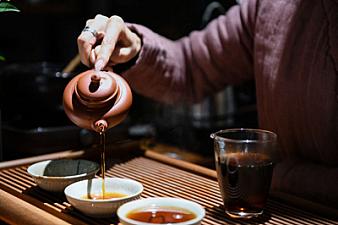
- Tasting: When tasting, you can first smell the aroma, then observe the color, and finally savor the taste.
Tea appreciation is not just an indulgence, but also a lifestyle. We hope you can relax your mood, experience the wonderful taste of tea, and appreciate the charm of tea culture during the tea drinking process.