

A bowl of clear tea, a lifetime of Zen: The dedication and effort of a tea master.
December 28, 2025






Legend has it that in the Tang Dynasty, there was a tea master who attained enlightenment through tea, pouring his dedication and effort into every leaf. This article will lead readers to explore the tea master's story, delve into the craftsmanship of tea making, savor the refreshing aroma, and experience the Zen and wisdom contained within.
A bowl of clear tea, a lifetime of Zen: the painstaking efforts of a tea master.
A bowl of clear tea, a lifetime of Zen: the painstaking efforts of a tea master.
In the long river of history, tea is not just a beverage, but a carrier of culture and a vessel for the spirit. There is an ancient and beautiful legend about a tea master named "Mingyuan." It is said that Mingyuan was born into poverty and, in his youth, believed in Buddhist law but was troubled by his inability to comprehend Zen. By chance, he was attracted by the fragrance of tea in a temple and began to learn tea making. He discovered that the process of making tea was like cultivation, requiring focus, patience, and reverence for nature. He integrated his understanding of Zen into the production of tea, hoping that through a cup of tea, he could allow those who savor it to feel inner peace and wisdom.
The Origin and Development of Tea
Chinese tea culture has a long history. There are numerous legends about the origin of tea. The earliest records can be traced back to the Shennong era, who tasted a hundred herbs and discovered the medicinal value of tea. With the emergence of Lu Yu's "The Classic of Tea" during the Tang Dynasty, it marked the maturity and development of Chinese tea culture. Tea was no longer just a medicine, but became an essential item for scholars and gentlemen to savor and appreciate. During the Song Dynasty, the custom of tea contests became popular, and the grades and quality of tea were further improved. During the Ming and Qing dynasties, tea production techniques became more refined, the varieties became more abundant, and tea began to spread to the world.
Focus: The Craftsmanship and Soul of Zheng Shan Xiao Zhong
Zheng Shan Xiao Zhong is produced in Qimen County, Anhui Province, and is one of China's famous fragrant teas. It is renowned worldwide for its unique "Chongyang fragrance." This fragrance is not simply a floral or fruity aroma, but a complex, profound, and seemingly mixed fragrance of sunlight, mountain breeze, dew, and soil. To obtain this unique fragrance, a series of strict processes must be followed, and the role of the tea master is crucial.
Harvesting: The Essence of Spring Shoots
The production of Zheng Shan Xiao Zhong begins with the harvesting of spring shoots. Only around the Qingming Festival can the highest quality tea leaves be harvested. The tea pickers must begin harvesting in the early morning, when the sunlight first shines on the tea trees. They must carefully harvest the most tender tea leaves, which usually consist of only two or three leaves and a bud. The harvesting process is very tedious and requires strict training to ensure the quality of the tea.
Withering: The Magic of Time
The picked tea leaves need to go through a withering process. Withering refers to spreading the tea leaves on a bamboo bed and letting them dry slowly under natural conditions. The length of the withering time directly affects the aroma and taste of the tea. Good tea masters will flexibly adjust the withering time according to the weather and humidity. This process requires great patience, because if the time is too long, the tea leaves will become rough; if the time is too short, the tea leaves will lose their flavor.
Fixing: Sealing the vitality of tea
Fixing refers to scalding the fresh tea leaves with high temperature to stop their biochemical reactions. The temperature and time of fixing directly affect the color and aroma of the tea. Good tea masters will choose the appropriate fixing method according to the quality of the tea leaves. This process requires experience and skill, because if the temperature is too high, the tea leaves will become bitter; if the temperature is too low, the tea leaves will lose their vitality.
Rolling: The soul of tea
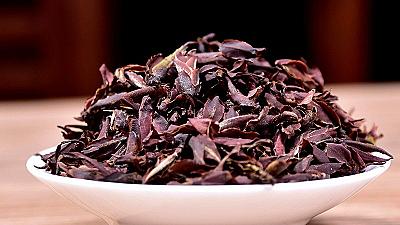
Rolling is the most critical step in tea making. The purpose of rolling is to break down the tea cells, making them juicy and suitable for subsequent fermentation. The intensity and duration of rolling directly affect the shape and taste of the tea. Good tea masters will choose the appropriate rolling method according to the quality of the tea leaves. During the rolling process, various tools, such as bamboo cages, towels, and stone slabs, are used to rub the tea leaves, giving them a unique shape and flavor. The "golden pumpkin shape" of Zhengshan Xiaozhong is a reflection of the rolling process.
Fermentation: The accumulation of time
Fermentation is the most unique step in Zhengshan Xiaozhong. Fermentation refers to the chemical change of substances in tea leaves under the action of microorganisms. The length of fermentation directly affects the aroma and taste of the tea. Good tea masters will choose the appropriate fermentation method according to the quality of the tea leaves. During the fermentation process, temperature and humidity need to be controlled to prevent the tea from spoiling. The fermentation of Zhengshan Xiaozhong typically requires continuous fermentation for more than 12 hours to form the unique "Zhongyang fragrance."
Drying: Sealing the aroma
Drying refers to spreading the fermented tea leaves on a bamboo bed and drying them with hot air or sunlight. The temperature and time of drying directly affect the color and aroma of the tea. Good tea masters will choose the appropriate drying method according to the quality of the tea leaves. This process requires patience and attention to detail, because if the temperature is too high, the tea leaves will become bitter; if the temperature is too low, the tea leaves will lose their flavor.
Tasting suggestions
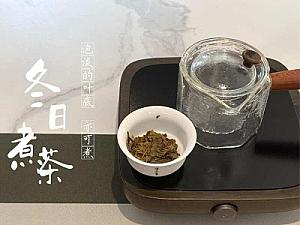
For beginners trying tea, it is recommended to choose some high-quality Lapsang Souchong. Control the water temperature around 85°C, and use a glass or a gaiwan for brewing. For the first infusion, use a little less water and a shorter brewing time to better appreciate the aroma and taste of the tea. As the number of infusions increases, you can gradually increase the amount of water and brewing time. When tasting tea, savor the aroma, taste, and leaf bottom, and experience the cultural connotations within.
A cup of clear tea is not only a pleasure for the palate, but also a cleansing of the mind. Like tea master Ming Yuan, in the process of making tea, we must not only learn the techniques of tea making, but also understand the wisdom of life.