

First white hairs unfurl: Longjing tea from West Lake, a springtime painting.
December 28, 2025






Springtime West Lake, veiled in mist and rain. A cup of Longjing tea releases the poetic charm and picturesque beauty of the Jiangnan region. From harvesting to roasting, every step embodies the wisdom and craftsmanship of the tea farmers. Let us together savor the freshness of Longjing, explore the culture and history behind West Lake Longjing, and experience the unique beauty of springtime.
The first downy hairs unfurl: West Lake Longjing, a springtime painting.
The first downy hairs unfurl: West Lake Longjing, a springtime painting.
I once heard an old tea farmer tell me that the harvesting of Xihu Longjing tea emphasizes "mingqian zachen." "Mingqian" refers to tea harvested before the Qingming Festival, when the leaves are at their most tender. And "zachen" means that when harvesting, not only the tender buds of single tea trees are picked, but a mixture of tender buds from different varieties of tea trees are harvested to ensure Longjing's unique flavor.
The Origins of Longjing Tea and the Poetry of West Lake
A beautiful legend surrounds the origin of Xihu Longjing tea. It is said that during the Shaoxing period of the Southern Song Dynasty, the emperor visited West Lake and, upon tasting tea made by local farmers, praised it highly and bestowed the name "Longjing." The name of Longjing tea is closely linked to the poetic charm of West Lake. West Lake has long been a favored destination for scholars and poets, with renowned figures such as Su Shi, Lin Bu, and Yue Fei leaving behind celebrated poems. Longjing tea, like a painting of West Lake, encapsulates the lake's picturesque scenery and cultural landscape into a single cup.
Picking and Tea Processing: Inheriting Traditional Craftsmanship
Genuine Xihu Longjing tea must be produced in the West Lake area and its surrounding mountains, and must be strictly protected by geographical indications. Picking is the first step in making Longjing tea, emphasizing "one bud, one leaf," only harvesting the most tender leaves. The freshly picked leaves must undergo a series of processes, including "kill-green," "rolling," "spreading," and "re-moistening," to become the final Longjing tea.
Killing the shoot: Locking in the vitality of young leaves.
The withering process is a crucial step in Longjing tea production, serving to deactivate enzymes in the fresh leaves, prevent further growth, and maintain the leaves' vibrant green color. Traditional withering involves pan-firing, requiring tea farmers to possess exceptional frying skills to ensure tea quality. Proper withering results in a verdant color and preserves the tea's fresh aroma.
Kneading and spreading: Forming the shape of tea leaves
The kneading process is to break the cells of the tea leaves, allowing water to evaporate and forming the unique shape of the tea. Spreading is to ensure even heating of the tea leaves and promote water evaporation. These two processes require tea farmers to flexibly adjust the kneading and spreading times based on the humidity and temperature of the tea leaves to ensure the quality of the tea.
Taste Longjing: Experience the freshness of spring
A good Xihu Longjing is refreshing and sweet on the palate, with a long aftertaste. Its color is emerald green, its aroma is fresh, with a hint of orchid fragrance, and its taste is crisp and refreshing, with an endless aftertaste. It is not as heavy and rich as Pu'er tea, but wins the affection of countless people with its refreshing taste and elegant aroma.
Longjing vs. Pu'er: Two distinctly different tea aromas
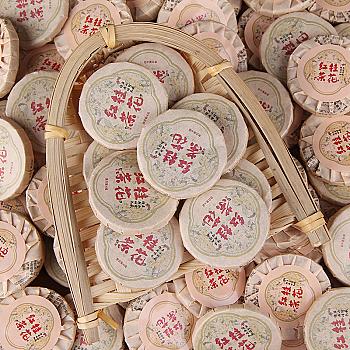
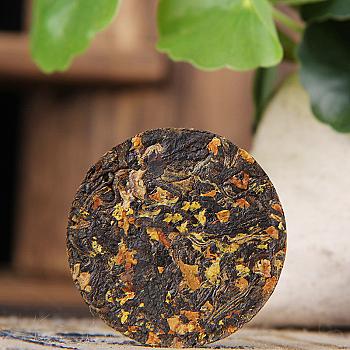
Compared to Pu'er tea, Xihu Longjing has a lighter taste and a fresher aroma. Pu'er tea, after a long period of aging, has a rich taste and a unique aged fragrance. Longjing is like the spring of Jiangnan, fresh, elegant, and full of vitality. They are like two completely different landscapes, both worth savoring.
Tea Tasting Tips: A Beginner's Guide
For beginners, there are some small tips for tasting Longjing tea:
- Water Temperature: Longjing tea is best brewed with water between 80-85°C. Water that is too hot will damage the nutrients in the tea leaves and affect the taste.
- Tea Amount: Generally, 3-5 grams of tea per person is sufficient.
- Brewing Times: Good Longjing tea can be brewed multiple times, and the taste will vary with each brew.
- Tasting method: When tasting Longjing tea, you can first smell its fragrance, then observe its color, and finally taste its flavor.
A cup of Xihu Longjing tea is not just a beverage, but also a springtime painting, a lifestyle, a reverence for nature, and a pursuit of beauty. It perfectly blends the poetic charm of West Lake with tea culture, bringing people endless enjoyment.