

Fragrant Secrets: The Ancient Path and Deep Affection of Yunnan Pu-erh Tea
December 28, 2025






Deep within the mountains of Yunnan, Pu'er tea stands like an old man weathered by time, silently guarding the marks of the years. It is not merely a cup of tea, but an epic poem about land, history, and human connection. This article will take you into the ancient paths and deep affections of Yunnan Pu'er, exploring its unique flavor and cultural significance.
Zangxiang: The Ancient Path and Deep Affection of Yunnan Pu-erh Tea
Zangxiang: The Ancient Path and Deep Affection of Yunnan Pu-erh Tea
I remember when I was a child, every winter, my family's old house would be filled with a unique aroma - the smell of my grandfather brewing Pu-erh tea. That aroma was mellow and profound, as if it could penetrate the dust of time and take you back to those ancient tea mountains shrouded in mist. At that time, I would always pester my grandfather to break off a small piece for me, to chew slowly and savor the sweet and lingering taste. Now, I have grown up, traveled to many places, and tasted all kinds of tea, but that childhood memory always lingers in my heart, giving me a special fondness for Pu-erh tea.
The Origin of Pu-erh: A Gift from the Mountains
Pu-erh tea, as its name suggests, originated in the Pu-erh region of Yunnan Province. However, its history is far more ancient than this place name. As early as the Tang Dynasty, this area had become a tea-producing region, and gradually formed a unique tea-making process. What makes Pu-erh tea unique is the raw material it uses – large-leaf tea trees. Some of these trees can be traced back hundreds or even thousands of years. They are rooted in the ancient forests of Yunnan, absorbing the essence of the mountains and nurturing a unique flavor.
The Charm of Ancient Tree Tea: The Sedimentation of Time
When talking about the charm of Pu-erh tea, one must mention "ancient tree tea." These ancient tea trees have tall crowns and are often over a hundred years old, and can even reach a thousand years. The tea leaves produced by them are thick, rich in internal substances, and after fermentation, they produce a unique aged aroma and a mellow taste. However, due to over-harvesting and illegal logging, the quantity of ancient tree tea is decreasing year by year, and has become an increasingly precious resource.
Raw Tea and Ripe Tea: Two Different Interpretations
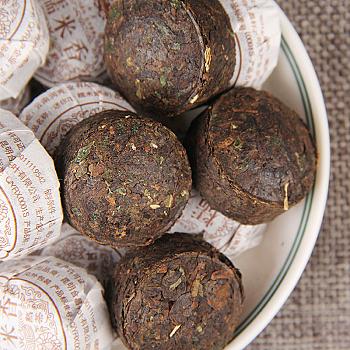
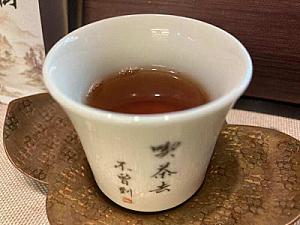
Pu-erh tea is mainly divided into two types: raw tea and ripe tea. Raw tea, as its name suggests, has not undergone pile fermentation and retains the natural green color and refreshing taste of the tea leaves. It is like a young man with a frank personality, full of vitality and vigor. Ripe tea, on the other hand, undergoes pile fermentation, turning the tea leaves reddish-brown and making the taste more mellow and smooth. It is like an old man who has experienced vicissitudes of life, accumulating the wisdom of time.
Tea-Making Process: Inheriting the Craftsman's Heart
The Pu'er tea processing technique is very complex, requiring multiple steps including fixing, rolling, large-pile fermentation, and small-pile fermentation. Each step is crucial, directly impacting the quality and flavor of the tea. Traditional Pu'er tea production relies on manual operation, requiring tea makers to possess extensive experience and superb skills. Nowadays, while the use of machines has improved efficiency, traditional techniques and experience are still inherited and respected, because they relate to the soul of Pu'er tea.
Savoring Pu'er: Feeling the breath of the mountains
Savoring Pu'er tea is not only about experiencing its taste, but also about feeling the mountain atmosphere and cultural connotations it embodies. Good Pu'er tea, upon entering the mouth, will release a refreshing aroma, as if you are surrounded by mountains, breathing fresh air. As time passes, the tea liquor will gradually become mellow and smooth, with a long-lasting sweetness, leaving a lasting impression.
Tasting Recommendations: A Beginner's Guide
- Water Temperature: Pu'er tea is best brewed with water between 95-100°C, as high temperatures can better stimulate the tea's aroma and flavor.
- Tea Amount: Beginners can try using 3-5 grams of tea, adjusting according to personal taste.
- Brewing Times: Pu'er tea can be brewed multiple times, with each brewing time gradually extended.
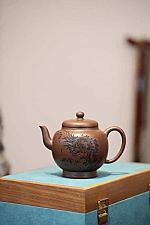
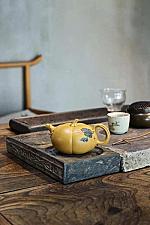
- Tasting Method: Brewing can be done with a Gaiwan, Yixing clay teapot, etc., to experience the different effects of different teaware on the tea liquor.
Savoring Pu'er is like conversing with history, feeling the gifts of the land. It is not just a cup of tea, but also a lifestyle, a reverence for nature, and a tradition passed down. We hope you can find your own peace and joy in the process of tasting Pu'er tea.