
The first bloom of a sparrow's tongue: The spring and poetry of Biluochun.
December 28, 2025






Legend has it that when Lu Yu tasted tea, he was amazed by the appearance of Bi Luo Chun, which was as light and delicate as a sparrow's tongue. This article will take you through a thousand years to explore the growing environment of Bi Luo Chun, its tea-making process, and the poetry and cultural heritage it embodies, allowing you to experience its unique spring air and savor the romantic sentiment of the Jiangnan region.
The first bloom of the oriole's tongue: The spring and poetic essence of Bi Luo Chun
The first bloom of the oriole's tongue: The spring and poetic essence of Bi Luo Chun
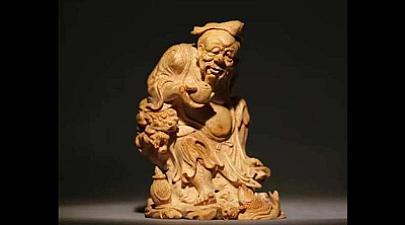
"Tea Sage" Mr. Lu Yu meticulously described the varieties and processing techniques of tea in his "The Classic of Tea." However, his records about Bi Luo Chun are relatively vague, not because of its unimportance, but because its fame, like the tender buds blooming in spring, often captivates people unintentionally. It is said that Mr. Lu Yu tasted a light and fragrant tea, marveling at its form resembling an oriole's tongue, and named it "Oriole's Tongue Spring." Although this is just a beautiful legend, it also aptly summarizes the unique charm of Bi Luo Chun.
Originating in Jiangnan, blessed with a unique growing environment
Bi Luo Chun is produced in the Dongting Mountain area of the Taihu Basin in Suzhou, Jiangsu Province. The climate here is mild and humid, with fertile soil, nurturing this unique tea with its unparalleled natural environment. The clouds and mist swirling around Dongting Mountain, with the first rays of dawn, seem to veil Bi Luo Chun with a layer of mystery. The soil on Dongting Mountain is rich in humus, providing ample nutrients for the growth of tea, and also imparting Bi Luo Chun's unique flavor.
From picking to initial processing: Spring's gift and the craftsman's wisdom
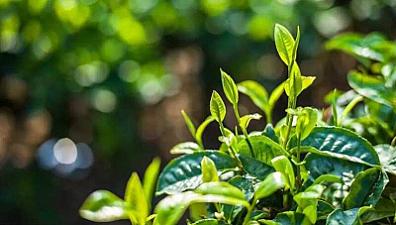
The picking season for Bi Luo Chun is extremely short, only from Qingming to Guyu, which is just twenty days or so in the spring. The picking standard is also very strict, requiring only the very first spring buds to be picked, known as "one bud and one leaf." These tender buds are delicate and fragile, requiring pickers to possess superb picking skills to ensure the quality of the tea.
After picking, the tea needs to undergo a series of initial processing steps. The first is "kill-green," a crucial step that determines the aroma and taste of the tea. The temperature and time for kill-green need to be adjusted according to the maturity of the tea. Too high a temperature will destroy the aroma of the tea, while too low a temperature will cause the tea to spoil. Secondly, "rolling," this step is to break down the cell walls of the tea leaves, so that the aroma and taste of the tea can be released. The intensity and time of rolling also need to be adjusted according to the characteristics of the tea. Finally, "drying," this step is to remove the moisture from the tea, preventing the tea from becoming moldy and deteriorating. The temperature and time for drying also need to be adjusted according to the characteristics of the tea.
The unique flavor of Bi Luo Chun: A blend of aroma and taste
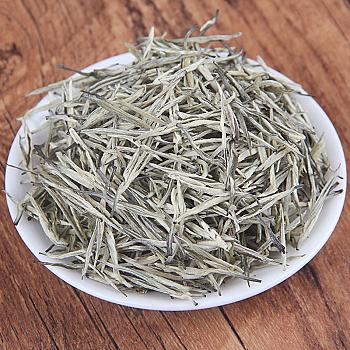
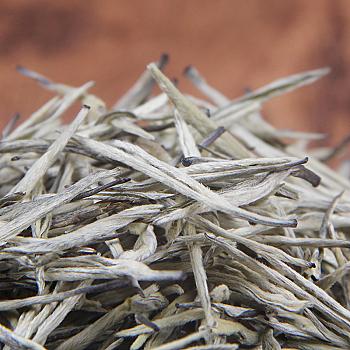
Authentic Bi Luo Chun is curled like an oriole's tongue, with a jade-green color, white hairs exposed, and covered with fine white frost, like the snow of early spring. When brewed, the tea soup is clear and translucent, with a yellow-green color, a rich aroma, with the fragrance of orchid and apricot blossoms, fresh and sweet to taste, with a long aftertaste. It doesn't have the strong grassy aroma of Longjing, nor the mellow aged aroma of Pu'er, but instead carries a unique, fresh, and vibrant aroma, as if concentrating the entire breath of spring into this cup of tea.
The cultural significance of Biluochun: The fusion of poetry and life
Biluochun is more than just tea; it's a cultural symbol. It represents the poetic charm and lifestyle of the Jiangnan region. In Jiangnan, Biluochun is an indispensable part of people's lives. Whether it's a family gathering or a friend's reunion, Biluochun is always present. It carries people's yearning for a beautiful life and their praise for spring.
Drinking Biluochun: Suggestions for beginners
For beginners, here are a few points to keep in mind when drinking Biluochun:
- Water temperature: The water temperature should not be too high. It is recommended to use water around 80-85°C. Too high a temperature will damage the tea's aroma and flavor.
- Tea amount: The tea amount should not be too much, generally 3-5 grams is sufficient.
- Steeping time: The steeping time should not be too long, generally 3-5 seconds is sufficient. Overly long steeping will result in bitter and astringent tea.
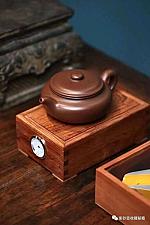
- Drinking method: You can use different drinking utensils such as a Gaiwan or a glass cup.
Drinking Biluochun is not just about tasting a cup of tea, but also about a lifestyle, a pursuit of beauty. We hope you can find your own peace and beauty in the fragrance of Biluochun.