
West Lake Longjing: A leaf of spring, a frame of mountains and water.
December 28, 2025






Legend has it that Lu Yu tasted tea in West Lake and praised it in his "The Classic of Tea." True West Lake Longjing tea, however, is the purest essence of springtime, the embodiment of the spirit of mountains and rivers. This article will take you into the Longjing tea plantations to explore its unique flavor and culture, and to experience the beauty of the southern China landscape contained within a single leaf of Longjing tea.
A Falling Leaf, a Fleeting Glimpse: The Legend of Longjing Tea
Legend has it that during the Tang Dynasty, Lu Yu traveled through West Lake and greatly praised the tea there, leaving behind the monumental work "The Classic of Tea." However, what truly captivates tea lovers is not Lu Yu's commentary, but the verdant, jade-like West Lake Longjing tea with its fragrant aroma. The story begins one morning. Sunlight pierced through the mist, illuminating the West Lake Longjing tea gardens. The tea leaves swayed gently in the breeze, like the skirts of a young woman, shimmering with enchanting beauty. According to legend, there was a farmer's wife named Yin, who made a living by picking tea. Her tea was of exceptional quality, yet remained unknown. One day, she presented her harvested tea to a local official, who was greatly impressed and named it "Longjing." From that moment on, West Lake Longjing tea became renowned throughout the world.
The History and Origins of Longjing Tea from West Lake
Longjing tea of West Lake, belonging to the green tea category, has a history dating back to the Tang Dynasty. Initially, Longjing tea was not a West Lake specialty but was harvested from nearby Jing Shan. During the Shaoxi period of the Southern Song Dynasty, Zhao Zheng (courtesy name Mian, also known as Longjing Gentleman) transplanted tea from Jing Shan to Longjing Village of West Lake and promoted it, gradually shaping the West Lake Longjing tea as we know it today. After a thousand years of inheritance and development, West Lake Longjing has become a symbol of Hangzhou and one of the representatives of Chinese green tea.
Unique geographical environment
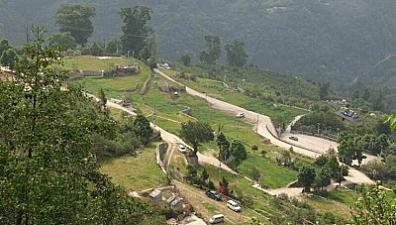
The quality of Xihu Longjing tea is closely related to the geographical environment of Xihu. Xihu is surrounded by mountains, with fertile soil, ample sunshine, and humid air. These natural conditions provide unparalleled advantages for the growth of tea. Longjing tea is produced in areas such as Da Longjing Village, Mei Jiawu, and Yunqi in the Xihu District, which not only possess superior soil and climate but also inherit generations of tea-making experience.
Artisanal craftsmanship: The essence of one bud, one leaf.
The production process of Xihu Longjing tea is very meticulous, with strict requirements for each step, including harvesting, fixing, rolling, and drying.
- Harvesting: The harvesting season is typically from after Qingming Festival to before Guyu, selecting "mingqian tea" (spring tea grown before Qingming), and it must be one bud and one leaf, with a requirement for the tenderness of the tea leaves.
- Killing green is a crucial step in preventing tea oxidation and preserving its color. Traditional killing green methods use furnace fire, and mastering the heat is very important.
- Rolling: The purpose of rolling is to break down tea cells, making them easier to absorb water, while also forming the appearance of the tea. The intensity and duration of rolling need to be adjusted according to the tenderness and yield of the tea.
- Drying: Drying is the final step in tea processing and an important factor in determining tea quality. The traditional drying method is sun-drying, which needs to be adjusted according to weather conditions.
It is precisely because of the meticulousness in these processes that West Lake Longjing presents its unique quality characteristics: a jade-green color, a fresh and elegant aroma, a fresh and mellow taste, and a shape resembling a “oriole’s tongue.”
Longjing vs. Pu'er: Two distinctly different experiences
Unlike West Lake Longjing’s freshness and elegance, Pu'er tea is known for its rich and mellow taste and unique aging characteristics. West Lake Longjing is like a Jiangnan girl, gentle and affectionate, while Pu'er tea is like a wise elder who has experienced the vicissitudes of life, with rich inner meaning. Longjing tea has a "orchid fragrance," a fresh and crisp taste, a distinct aftertaste, and a jade-green and translucent tea liquor. Pu'er tea, on the other hand, has a unique "aged fragrance," a mellow taste, a long-lasting aftertaste, and a subtle change in taste over time. The contrast between the two not only reflects the diversity of Chinese tea culture but also provides more choices for tea lovers.
A Beginner's Guide to Drinking Longjing
For beginners, drinking West Lake Longjing is not difficult, just grasp some basic methods.
- Water Temperature: The water temperature should not be too high, around 80°C is ideal.
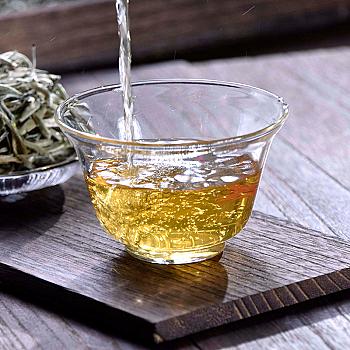
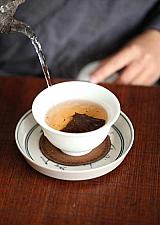
- Tea Ware: White porcelain or glass tea ware is preferable to better observe the color of the tea leaves and the tea liquor.
- Tea Amount: The amount of tea should not be too much, generally around 3 grams is sufficient.
- Brewing: The number of infusions should not be excessive, generally 3-4 times is sufficient.
- Tasting: When tasting, first smell the aroma, then observe the color, and finally savor the taste.
Drinking Longjing tea is not only a taste experience, but also a relaxation of the spirit. Feeling the tea aroma lingering in your mouth, feeling the tea liquor flowing through your body, feeling the tranquility and beauty of West Lake – this is the unique experience that West Lake Longjing brings us.
Conclusion: A sprig of spring, a frame of landscape.
West Lake Longjing is not just a type of tea, but also a symbol of culture and a spiritual attachment. It carries the beauty of West Lake, the history of Hangzhou, and the essence of Chinese tea culture. Let us, in every moment of drinking Longjing tea, feel the spring light from the Jiangnan region, and feel the spirit of the mountains and waters.