

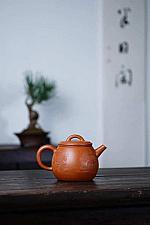
White Tea: Sunshine and the Simplest Wisdom
December 28, 2025






In a bustling world, seek a tranquil oasis. White tea, like the fresh spring buds bathed in sunlight, retains the purest taste of nature in its most original form. It tells a story of time, wisdom, and simplicity, leading us to explore the most unassuming Eastern philosophy.
White Tea: Sunshine and the Simplest Wisdom
White Tea: Sunshine and the Simplest Wisdom
The story begins with a chance encounter. Several years ago, in the spring, I was invited to Fuding City, Fujian Province, to participate in a white tea harvesting activity. The air was filled with the fragrance of fresh grass, and the sunshine shone on the emerald green mountains, full of vitality. A local tea farmer, named Uncle Chen, his dark face was covered with the traces of time, but he had a pair of clear eyes. He told me that white tea harvesting must be done in early spring after the Qingming Festival, as only the buds and leaves during that time contain the purest life force.
The Origin of White Tea: A Quiet Legend of History
The history of white tea is longer than we might imagine. Legend has it that during the Tang Dynasty, an official named Lu Yu wrote the famous "The Classic of Tea," which mentioned "Mingyue Baihao" tea, considered the prototype of white tea. However, white tea has always maintained a low profile in the long river of history. It did not rise to fame like Longjing or Pu'er, nor was it pursued by royal nobles. It quietly grew in the mountains of Fujian, guarding ancient tea tree varieties in the most natural way.
From Wilderness to Treasure: The Value of White Tea is Rediscovered
Until modern times, with in-depth research on tea, people gradually recognized the unique value of white tea. It is rich in polyphenols, amino acids, and other nutrients, with antioxidant, blood lipid-lowering, and anti-aging effects. More importantly, the production process of white tea almost completely preserves the original appearance of the tea leaves. Unlike other teas, it does not undergo complex processes such as rolling and fermentation, but is simply dried in the sun. This simple handling method allows white tea to maximize the retention of natural substances in the tea leaves, and also gives it a unique flavor that other teas do not possess.
Types and Flavors of White Tea: Richness Behind Simplicity
White tea is not just one type. According to the harvesting time, tree species, and production process, white tea can be divided into many types, such as spring white, summer white, and autumn white. Among them, spring white is the most precious. It is harvested in early spring after the Qingming Festival, with tender buds and a fresh fragrance. Summer white is harvested in midsummer, with plump leaves and a mellow taste. Autumn white is harvested in autumn, with coarser leaves and a subtle woody aroma.
Fuding Baihao: The Pinnacle of Spring White
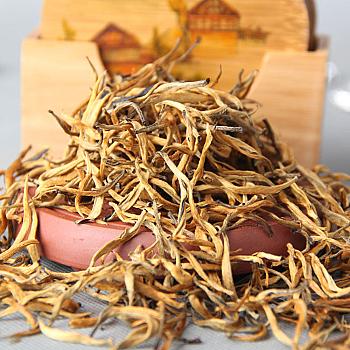
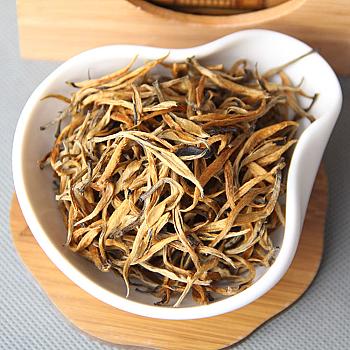
Foding Baihao, renowned as the "crown of white tea," is harvested exclusively from white hairy tips, the topmost buds of tea trees covered in white fuzz. This fuzz is a natural antioxidant in tea, better protecting the nutrients within the leaves. The taste of Foding Baihao is fresh, sweet, and mellow, with a lasting aftertaste and a subtle orchid fragrance. When drinking it, you feel as if you are in a spring hillside, feeling the warmth of the sun and the fragrance of the earth.
Jianou Shoumei: The mellow richness of time's passage
Unlike the freshness of Foding Baihao, Jianou Shoumei showcases the mellow richness of time's passage. Shoumei refers to mature leaves from large-leaf tea trees, harvested later, with thick leaves and a faint woody aroma. The production process for Shoumei focuses more on natural air drying, allowing moisture to slowly evaporate from the tea leaves, thus creating a unique aged fragrance. Drinking Shoumei is like tasting the accumulation of history, feeling the taste of time.
The wisdom of tea making: Following nature, preserving authenticity
The production of white tea embodies the wisdom of ancient Chinese tea farmers. They followed nature and respected the authenticity of the tea. During harvesting, only tender buds and leaves are picked, trying to avoid damaging the tea trees. During production, there is no rolling or fermentation, just simple sun-drying. This simple treatment not only preserves the natural substances in the tea, but also minimizes human intervention, allowing the tea to fully display its own flavor.
Drinking white tea: From beginner to advanced
When first getting to know white tea, there's no need to pursue sophisticated tasting techniques. Using a glass cup to brew the tea allows you to better observe the appearance of the leaves and the color of the tea. The water temperature should not be too high, around 80°C is sufficient. The first time you drink it, you might find the taste of white tea quite mild, but as you drink it more often, you will gradually feel the rich layers and aftertaste it contains.
- Beginner level: Choose Foding Baihao to experience the refreshing taste.
- Advanced level: Try Jianou Shoumei to experience the surprise of the aged fragrance.
- Master level: Pay attention to white tea from different producing areas and different years, and explore deeper flavors.
White tea is more than just a tea; it’s a way of life. It teaches us to maintain inner peace in a noisy world, and to respect nature while striving for excellence. With its simple wisdom, it leads us to explore the true meaning of Eastern philosophy.