
Bai Hao sighs: The time imprint of Pu-erh tea and the mountains and forests.
December 28, 2025






Deep in Yunnan, Pu'er tea is the whisper of the mountains, the accumulation of time. It is more than just a beverage; it carries ancient culture, exquisite craftsmanship, and reverence for nature. This article will take you into the world of Pu'er tea, exploring its unique charm and experiencing its time-worn connection to the mountains.
Bai Hao sighs: The time imprints of Pu-erh tea and the mountains and forests.
Bai Hao sighs: The time imprint of Pu-erh tea and the mountains and forests.
I remember the first time I saw Pu-erh tea, it was on a clear afternoon after a rain. That was in Xishuangbanna, Yunnan, deep within an old tea house. The air was filled with the scent of damp earth and a rich tea aroma, as if I were in a green maze. The tea house owner, a Dai elder with silver hair, handed me a pressed Pu-erh tea cake and said, “This tea is a gift from the mountain, and a testament to time.”
Ancient heritage, nurtured by the mountains and forests.
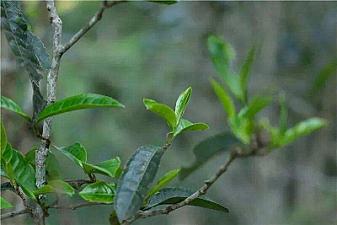
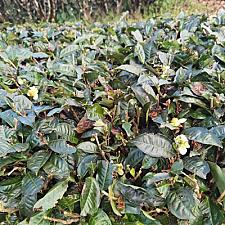
Pu-erh tea, as the name suggests, originates from the Pu-erh area of Yunnan Province, including Xishuangbanna and Jinghong. Its history can be traced back to the Tang Dynasty, when it was known as "Tuoluoni tea." Truly distinctive Pu-erh tea gradually took shape during the Song Dynasty. Its unique charm stems from its special growing environment and distinctive production techniques. Pu-erh tea trees typically grow in subtropical mountainous forests between 800 and 2000 meters above sea level, where the land is fertile, the climate is mild, and rainfall is abundant, providing ideal conditions for tea growth.
Green Tea and Black Tea: Two Different Life Trajectories
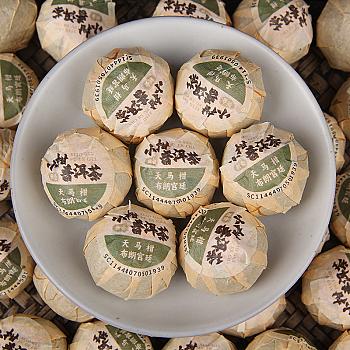
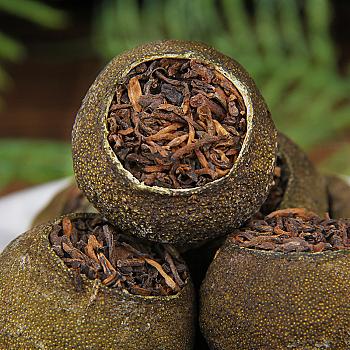
Pu-erh tea is mainly divided into two types: raw tea (sheng cha) and ripe tea (shou cha). Raw tea, as the name suggests, is tea that has not undergone fermentation, preserving the original flavor of the tea leaves. Its production process is relatively simple, but it has extremely high requirements for the quality of the tea. Ripe tea, on the other hand, is produced through a special fermentation process, which alters the chemical composition of the tea leaves, giving them a unique taste and aroma.
Craftsmanship: The intertwining of time and nature.
Whether it's raw or ripe Pu-erh tea, its production relies on exquisite craftsmanship. Picking, withering, fixation, rolling, and drying – each step is crucial. For ripe tea, the post-fermentation process is particularly key. This process requires mastery of numerous factors such as temperature, humidity, and time; even a slight mistake can cause the tea to spoil.
I once had the opportunity to learn the production of shou tea from an old tea farmer. He told me that the fermentation process of piled fermentation is like raising a child, requiring patience and care. The tea leaves need to be turned daily, their changes observed, and the fermentation conditions adjusted accordingly. This process often takes weeks or even months to complete.
The Gift of Time: Transformation and Richness
The most remarkable feature of Pu-erh tea is its characteristic of "becoming more fragrant with age." Unlike other teas, Pu-erh tea undergoes a series of chemical reactions during storage, which changes its taste and aroma. These changes are precisely the unique charm that time bestows upon Pu-erh tea.
Aged Pu-erh tea has a full-bodied taste, a lingering sweetness, and a complex and profound aroma. It seems to transform the sediment of time into the fragrance of a cup of tea. Tasting aged Pu-erh tea is not only a taste experience but also a spiritual cleansing.
Tea Tasting Advice for Beginners
If you are a beginner in Pu-erh tea, we suggest you start with the following aspects:
- Choose authentic tea leaves: There are many fake and inferior Pu-erh teas on the market now, so when purchasing, you must choose a reputable vendor and carefully distinguish the quality of the tea leaves.
- Start with small sips: The taste of Pu-erh tea is relatively strong, so beginners can start with small amounts and gradually adapt.
- Pay attention to the water temperature for brewing: The water temperature for brewing Pu-erh tea should not be too high, generally around 90-95℃.
- Choose appropriate teaware: Yixing clay teapots are ideal for brewing Pu-erh tea because they have good breathability and heat retention.
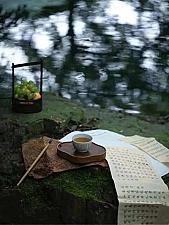
- Enjoy the tea-drinking process: Tea drinking is not only for quenching thirst but also a way to relax your mind and body and enjoy life.
Pu'er tea is the breath of the mountains, a gift of time. It's more than just a beverage; it's a cultural heritage. We hope you can experience its unique charm and the marks of time with the mountains through tasting Pu'er tea.