

Longjing's Spring Whispers: The rain and tea of the Jiangnan region, a flowing picture.
December 28, 2025






West Lake Longjing tea is more than just tea; it's a flowing panorama of a spring day in the Jiangnan region. It carries the poetry of rain, the freshness of tea, and the diligence and wisdom of generations of tea farmers. This article will take you to explore the secrets of Longjing and experience its unique spring essence.
Longjing's Spring Whispers: The rain and tea of the Jiangnan region, a flowing picture.
Longjing's Spring Whispers: The rain and tea of the Jiangnan region, a flowing picture.
I remember when I was a child, every spring my grandmother would take me to pick tea by West Lake. Back then, I loved to sit under the tea trees, watching her weathered hands skillfully pluck tender green tea leaves. The rain always drizzled, soaking the earth and nourishing the tea. She told me that the soul of Longjing tea lies in that spring rain. That rain is West Lake's tears, and the lifeblood of Longjing.
West Lake Longjing: Spring's Gift and the Poetry of Rain.
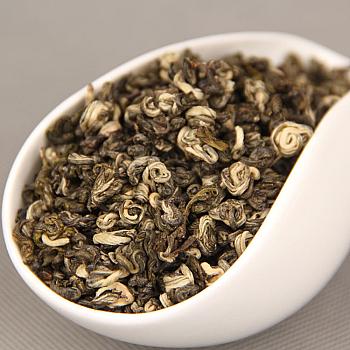
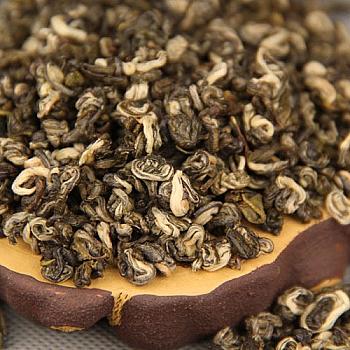
West Lake Longjing is produced in the West Lake District of Hangzhou, Zhejiang Province, and is one of China's Top Ten Famous Teas. It is renowned worldwide for its characteristics of "green color, fragrant aroma, sweet taste, and beautiful shape." However, to truly understand the charm of Longjing, one cannot simply stop at the enjoyment of the palate, but must also understand the story behind it, and the crucial factor of "rain."
West Lake Longjing tea trees are extremely sensitive to climate conditions. In early spring, when the ice and snow melt and the tender buds first emerge, a warm spring rain perfectly nourishes the tea leaves, promotes their growth, and imparts a unique aroma and flavor. This rain is called "yan yu" (mist and rain), which is not a torrential downpour, but a fine, long, and humid rain, like a light veil covering West Lake. Without this "yan yu," even if the tea leaves grow well, it would be difficult to achieve the unique flavor of Longjing.
The Craftsmanship of Longjing Tea: Skill and Tradition.
The craftsmanship of Longjing tea is also very particular. From picking to pan-firing, then to rolling, spreading, and drying, every step is crucial. When picking, only the tender buds that sprout in spring are picked, known as "ming qian cha" (pre-ming tea), which have the best quality. Pan-firing is a key step, which quickly stops the growth of the tea leaves and preserves their fresh color and aroma. Rolling makes the tea leaves curl into strips and allows the internal juice of the tea leaves to be fully released. Finally, spreading and drying make the tea leaves crisp and preserve their unique flavor.
Compared to other famous teas, the production process of Longjing tea is relatively simple, but requires extremely high skills and experience. Generation after generation of tea farmers have passed down their wisdom and experience. They are intimately familiar with the weather, soil, picking time, and production techniques. It is precisely because of their hard work and dedication that we have today's Longjing tea, with its fragrant aroma and refreshing taste.
Longjing and Pu-erh: A Dialogue of Taste.
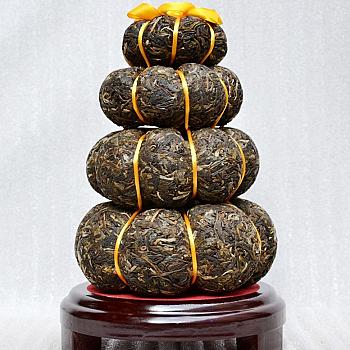
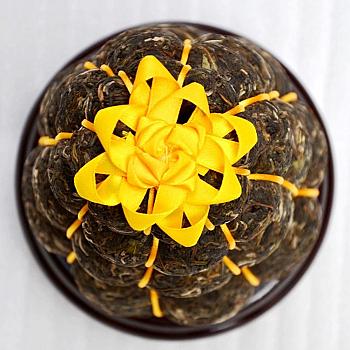
Unlike Longjing's fresh and delicate flavor, Pu-erh tea is known for its rich and full-bodied taste. These two types of tea represent two distinctly different styles of Chinese tea culture. Longjing is the sprite of spring, the poetic charm of the Jiangnan region; Pu-erh is the accumulation of time, the gift of the mountains. Tasting them together is like having a dialogue of flavors, experiencing the richness and diversity of Chinese tea culture.
The aroma of Longjing is a faint floral scent, with a hint of fresh herbal flavor. Upon entering the mouth, the tea soup is refreshing and sweet, with a lingering aftertaste. Pu-erh tea, on the other hand, has a variety of aromas such as aged aroma, woody aroma, and medicinal aroma. Upon entering the mouth, the tea soup is rich and full-bodied, with a long-lasting aftertaste. There is no higher or lower, only different styles and charm.
Drinking Longjing: Suggestions for Beginners
For beginners, when drinking Longjing tea, you can start from the following aspects:
- Choose high-quality tea leaves: Try to choose Mingqian tea (pre-rain tea), which has the best quality.
- Appropriate water temperature: The water temperature should not be too high, around 80°C is ideal.
- Tea set selection: It is best to use white porcelain or glass teaware to better appreciate the color of the tea leaves.
- Brewing technique: The amount of water for each infusion should not be too much. You can first moisten the tea with a small amount of hot water, and then brew it.
- Savor and drink slowly: When drinking Longjing tea, you should savor it slowly, feeling its unique aroma and taste.
Drinking tea is not only a pleasure, but also a way to cultivate one's character and nourish one's sentiments. I hope you can feel the poetic charm of the Jiangnan region and experience the charm of Chinese tea culture when drinking Longjing tea.
Next time, when you savor a cup of Longjing tea again, remember that it's not just a cup of tea, but also a flowing painting and a spring melody of the Jiangnan region.