
El susurro de la primavera de Longjing: la lluvia y el té de Jiangnan, un cuadro en movimiento.
December 28, 2025






El té Longjing del Lago del Oeste no es solo una infusión, sino una pintura viva de la primavera del sur del río Yangtsé. Encarna la poesía de la lluvia, la frescura del té, y la arduo trabajo y sabiduría de generaciones de agricultores. Este artículo les guiará para descubrir los secretos de Longjing y sentir esa atmósfera primaveral única.
Longjing's Spring Whispers: The rain and tea of the Jiangnan region, a flowing picture.
Longjing's Spring Whispers: The rain and tea of the Jiangnan region, a flowing picture.
I remember when I was a child, every spring my grandmother would take me to pick tea by West Lake. At that time, I loved to sit under the tea trees, watching her weathered hands skillfully pluck the tender green leaves. The rain always fell gently, soaking the earth and nourishing the tea. She told me that the soul of Longjing tea lies in that spring rain. That rain is West Lake's tears, and also Longjing's life.
West Lake Longjing: A gift of spring and the poetry of rain.
West Lake Longjing is produced in the Xihu District of Hangzhou, Zhejiang Province, and is one of China's ten famous teas. It is renowned worldwide for its characteristics of "green color, fragrant aroma, sweet taste, and beautiful shape." However, to truly understand the charm of Longjing, one cannot simply stop at the enjoyment of the taste buds, but must also understand the story behind it, and the crucial factor of "rain."
West Lake Longjing tea trees are extremely sensitive to climate conditions. In early spring, when the ice and snow melt and the tender buds begin to sprout, a warm spring rain perfectly nourishes the tea, promotes its growth, and imparts a unique aroma and flavor. This rain is called "yan yu" (mist and rain), which is not a torrential downpour, but a fine, long, and humid rain, like a light veil covering West Lake. Without this "yan yu," even if the tea grows well, it would be difficult to achieve Longjing's unique flavor.
Longjing Tea Processing Techniques: Craftsmanship and Inheritance.
The processing techniques of Longjing tea are also very particular. From picking to killing the green, then to rolling, spreading, and drying, every step is crucial. When picking, only the tender buds that sprout in spring are picked, known as "ming qian" tea, which has the best quality. "Killing the green" is a key step, which can quickly stop the growth of tea leaves and preserve their fresh color and aroma. Rolling can make the tea leaves curl into strips and release the juice inside the tea leaves. Finally, spreading and drying can make the tea leaves crisp and preserve their unique flavor.
Compared to other famous teas, the production process of Longjing tea is relatively simple, but requires extremely high skills and experience. Generation after generation of tea farmers have passed down their wisdom and experience. They are well-versed in the weather, soil, picking time, and production techniques. It is precisely because of their hard work and dedication that we have today's Longjing tea, fragrant and fresh.
Longjing and Pu'er: A Dialogue of Taste.
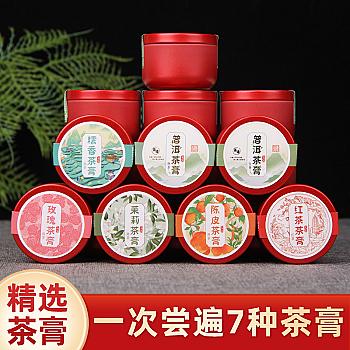
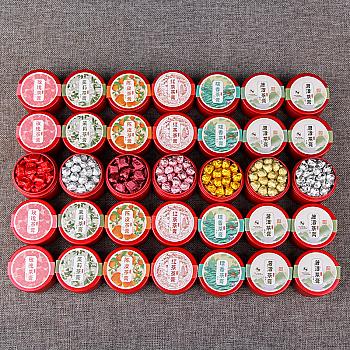
A diferencia de la frescura y delicadeza del Longjing, el té Pu-erh es famoso por su sabor rico y con cuerpo. Estas dos variedades de té representan dos estilos radicalmente diferentes de la cultura del té chino. Longjing es el espíritu de la primavera, la poesía de Jiangnan; Pu-erh es la sedimentación del tiempo, el regalo de las montañas. Disfrutarlas juntas es como mantener un diálogo de sabores, sintiendo la riqueza y diversidad de la cultura del té chino.
龙井茶的香气,是淡淡的花香,带着一丝清新的草本味。入口后,茶汤清爽甘醇,回味无穷。而普洱茶,则有着陈香、木香、药香等多种香气,入口后,茶汤醇厚浓郁,回味悠长。两者并无高下之分,只有不同的风格和韵味。
Disfrutar del Longjing: Consejos para principiantes
Para los principiantes, disfrutar del té Longjing se puede abordar desde los siguientes aspectos:
- Selecciona té de alta calidad: Intenta elegir té de la primera cosecha, su calidad es la mejor.
- Temperatura del agua adecuada: La temperatura no debe ser demasiado alta, es recomendable alrededor de 80°C.
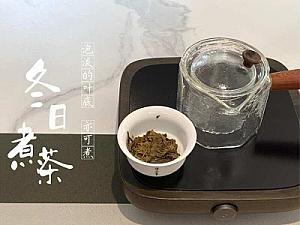
- Selección de vajilla: Se recomienda utilizar vajilla de porcelana blanca o vidrio para apreciar mejor el color del té.
- Técnica de preparación: La cantidad de agua para cada preparación no debe ser excesiva, se puede primero humedecer el té con una pequeña cantidad de agua caliente y luego prepararlo.
- Saborear lentamente: Para disfrutar del té Longjing, hay que saborearlo lentamente, sintiendo su aroma y sabor únicos.
品茶,不仅仅是一种享受,更是一种修身养性、陶冶情操的方式。希望您在品饮龙井茶的过程中,能够感受到江南的诗意,体验中国茶文化的魅力。 Disfrutar del té no es solo un placer, sino también una forma de cultivar el carácter y nutrir el espíritu. Esperamos que durante la degustación del té Longjing, pueda sentir la poesía de Jiangnan y experimentar el encanto de la cultura del té chino.
La próxima vez, cuando vuelva a saborear una taza de té Longjing, no olvide que no es solo una taza de té, sino también un cuadro en movimiento, una melodía de la primavera en Jiangnan.