
Longjing Tea Inquiry: A Springtime Taste-Seeking Journey in Jiangnan
December 28, 2025






Spring in the Jiangnan region, with rain like silk. In the West Lake Longjing tea gardens, an old tea farmer shares the secrets of Longjing tea, drawing on a lifetime of experience. This article will take you into the world of Longjing tea, allowing you to experience its unique aroma and flavor, explore the history and culture behind it, and embark on a spring tasting journey.
Prologue: Asking for Tea in the Rain
Fine rain falls, and springtime in the Jiangnan region always carries a hazy beauty. I remember the first time I met Old Zhang, it was also on a rainy day like that. He was hunched over, standing deep within the Longjing tea garden, dressed in a straw raincoat, like an old tree rooted in the earth. He was an old tea farmer, guarding this tea garden passed down through generations for decades. I asked him to teach me the secrets of Longjing tea, and he just smiled, pointed to the tea trees in the distance, and said in a hoarse voice, "Tea is something that requires a lifetime to savor."
The History of Longjing Tea: A Thousand-Year Story in a Cup
Longjing tea, originally known as Lion's Head tea, got its name from the village of Longjing during the Ming Dynasty. Its history can be traced back to the Tang Dynasty, when it was already a tribute tea for the imperial court. However, it was during the Ming Dynasty, with a delightful anecdote about Tang Bohu, that truly made Longjing tea famous throughout the world. “Moonlight before the bed, spring colors riot, clever songbirds on the plum blossoms. Slowly searching the curtains, nothing compares to lying in wait at the eaves.” Legend has it that Tang Bohu, while in Longjing village, drank the local tea daily and wrote about it in his poetry, and from then on, Longjing tea became closely linked with this talented scholar, spreading its fame far and wide.
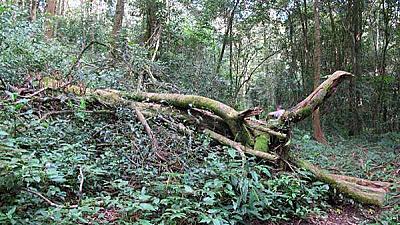
The planting history of Longjing tea is long, and the tea tree varieties selected are also extremely particular. West Lake Longjing tea must use hybrid tea trees grown before the Ming Dynasty, these trees contain unique flavor codes in their genes. Mingqian tea refers to tea leaves picked before the Ming Dynasty, which is the most precious variety of Longjing tea, with its fragrance being clear and elegant, its taste fresh and mellow, and its aftertaste long-lasting.
The Unique Flavor of Longjing Tea: The Essence of One Bud, One Leaf
True West Lake Longjing tea emphasizes "one bud, one leaf," meaning the first bud and first leaf that spring tea trees sprout. Although this harvesting method is costly, it can maximize the preservation of the freshness and fragrance of the tea leaves. The production process of Longjing tea is equally exquisite, after harvesting, it must go through multiple steps, including "kill-green," "rolling," "spreading," and "drying." "Kill-green" is to stop the oxidation of the tea leaves, rolling is to break the cell walls to release flavor, spreading is to dry evenly, and drying is to reduce the moisture content of the tea leaves to an appropriate level.
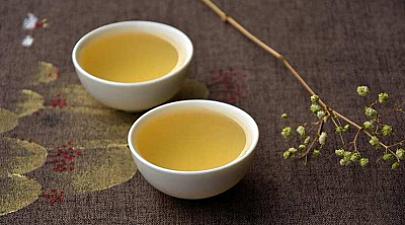
The fragrance of Longjing tea is its most enchanting quality. It has a unique "orchid fragrance," which is a fresh and elegant aroma that is refreshing. Drinking Longjing tea is like being in a spring tea garden, feeling the breath of sunshine, rain, and earth. Its taste is fresh, mellow, and long-lasting, refreshing on the palate, like a clear spring gushing into the heart.
Comparison of Longjing Tea with Other Green Teas
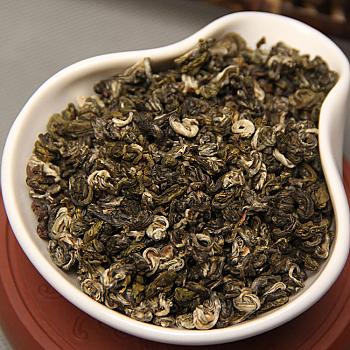
Compared with other green teas, the uniqueness of Longjing tea lies in its "orchid fragrance" and "flat-shaped strips." Although many green teas also have a refreshing aroma, they often lack the elegant and delicate "orchid fragrance" of Longjing tea. The flat-shaped strips of Longjing tea are also an important feature that distinguishes it from other green teas. This flat-shaped strip is thanks to the unique production process and characteristics of the tea tree varieties.
Craftsmanship: Inheritance and Innovation
Old Zhang told me that tea making is both an art and a science. Every step is crucial, and even a slight deviation can affect the quality of the tea. He often says: "Tea making is not only the inheritance of technology, but also reverence for nature and an understanding of tea culture."
Nowadays, based on inheriting traditional craftsmanship, some tea farmers are also constantly exploring new tea-making methods, such as adjusting fermentation time, controlling temperature, and so on, to improve the quality of the tea. However, these innovations must be carried out on the basis of respecting tradition to ensure the unique flavor of the tea.
Tasting Recommendation: Experience the Taste of Spring
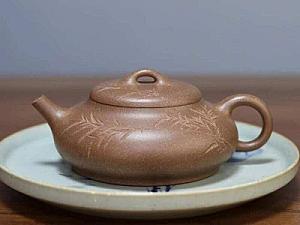
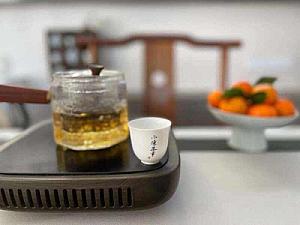
To truly appreciate the charm of Longjing tea, you need to master some simple tasting techniques. First, choose appropriate tea ware. Yixing clay teapots or glass cups are fine, but choose tea ware that can highlight the tea's clear fragrance. Second, control the water temperature between 80-85°C; water that is too hot will destroy the aroma of the tea. Finally, the brewing time should not be too long, generally around 30 seconds. Brew it several times to experience the different layers of the tea.
For beginners, you can try brewing with a Gaiwan. A Gaiwan can better control the soaking time of the tea and observe the tea leaves' expansion in the water. When tasting, first smell the aroma to appreciate the fragrance of the tea, then taste the flavor to experience its freshness and sweetness.
Conclusion: Memories of Tea Fragrance
Spring Longjing, the sound of drizzling rain, the fragrance of tea lingering in the air. Old Zhang’s story, the secrets of Longjing tea, are deeply imprinted in my mind. Tasting tea is not just a taste experience, but also a cultural inheritance and an understanding of nature. It allows us to find a quiet corner in a noisy world and feel the beauty of life.