
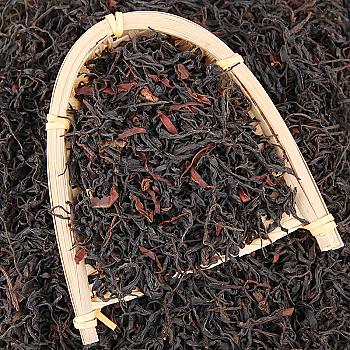
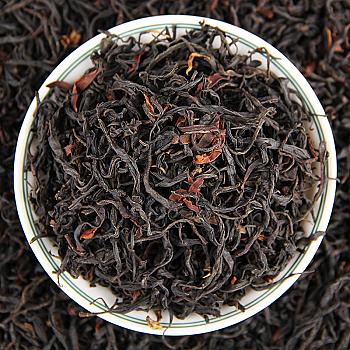
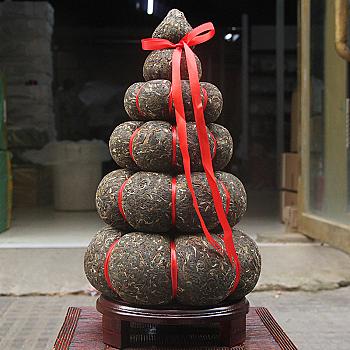
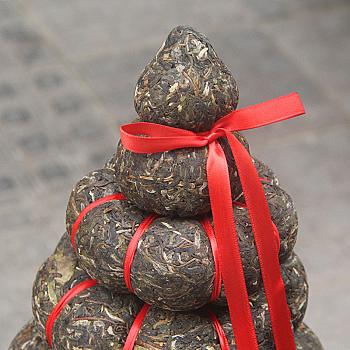
White tea: the breath of the mountains and fields, the sedimentation of time.
December 28, 2025






In a bustling world, seeking a tranquil oasis. White tea, like the breath of mountain wilds, tells a tale of the passage of time in its most unadorned form. It is unembellished yet holds a unique charm, as if sharing profound philosophies about nature and life.
Foreword: The Breath of Mountains and Fields
I remember as a child, every Qingming Festival, I would always see my grandmother carrying a bamboo basket, walking alone into the tea mountains near our home. She didn’t pick flowers or fruit, but carefully picked a pale green leaf, covered with fine white hairs. At that time, I didn't know what kind of tea it was, but I only remembered that after my grandmother picked it, she would dry the leaves and brew a pot, releasing a faint fragrance, a flavor unique to my memories.
The History of White Tea: A Witness to Time
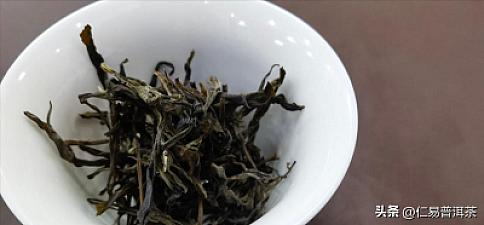
White tea, as a treasure of Chinese tea culture, has a very long history. Its origin can be traced back to 2700 BC in Fuzhou, said to be a medicinal plant picked by the imperial physician of the Chinese Emperor Huangdi to treat diseases. Initially, white tea was not used as a beverage, but as a medicinal herb. It wasn't until the Tang Dynasty that white tea gradually became a beverage and was praised as "clear tea." Unlike green tea, it doesn't undergo processes like firing and twisting, preserving the most original state of the tea leaves, and is therefore called "original leaf tea."
The Origin of White Tea: A Gift from Fujian
True white tea is mainly produced in Fuding, Zhenghe, Pingnan, and Shouning in Fujian Province. These areas are located in mountainous regions, with mild and humid climates and fertile soil, making them very suitable for the growth of white tea. Among them, the white tea from Zhenghe County is renowned as the "King of White Tea" for its unique aroma and taste.
The Varieties of White Tea: A Thousand Forms
There are many varieties of white tea. According to the harvesting time and bud size, they can be divided into spring buds, spring branches, summer buds, and summer branches. Among them, spring buds are the best quality white tea, with plump buds, visible white hairs, and a fresh taste. Summer buds, on the other hand, are relatively coarse and have a bitter taste. In addition, according to their appearance, white tea can be divided into Shou Mei, Zheng He Da, Fuding White Tea, etc.
Focusing on Shou Mei: The Art of Time
Among the many white tea varieties, Shou Mei is highly regarded for its unique flavor and production process. Shou Mei is not directly picked, but harvested from tea leaves that have fallen to the ground. These leaves undergo natural fermentation, forming a unique "old white" flavor. This production process seems simple, but it actually contains a wealth of experience and skills. The production of Shou Mei largely depends on natural factors such as temperature and humidity. Farmers need to adjust the fermentation time and degree based on these factors. Therefore, each batch of Shou Mei carries a unique "mark of time."
White tea production: Returning to nature
The production process of white tea is extremely simple, with almost no human intervention. After harvesting, the tea leaves are spread on bamboo trays and sun-dried. During the drying process, the tea leaves undergo natural fermentation, developing a unique flavor. The entire process requires no steps like fixing, rolling, or twisting, allowing the tea to retain its most original state. This "unmodified" production method emphasizes the inherent quality of the tea leaves themselves.
Enjoying White Tea: Experiencing Nature's Bounty
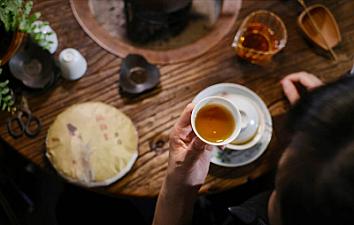
Savoring white tea is most importantly about slowing down and feeling the conversation between the tea and nature. White tea has a light and refreshing taste with a lingering sweetness. Its aroma is like the mountains in the morning, with a faint scent of grass and flowers. Shou Mei is even more mellow, with a subtle hint of honey and a mellow, aged fragrance.
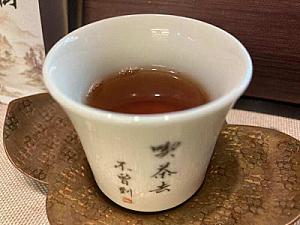
When drinking white tea, choose a glass or white porcelain cup to observe the beautiful unfolding of the leaves in the water. The water temperature should not be too high, 80-85°C is ideal. It can be steeped multiple times, slightly extending the steeping time each time to experience the changing flavors. Savor the sweetness of the tea liquor and appreciate the harmony of the tea and water blending together.
Advice for Beginners
- Choose authentic white tea: Try to select white tea with a clear origin and guaranteed quality.
- Pay attention to water temperature: Water that is too hot can damage the nutrients in the tea leaves and affect the taste.
- Try different brewing times: The flavor varies with each brew, so feel free to experiment.
- Slow down your pace and enjoy the pleasure of drinking tea: Tea drinking is not only about quenching your thirst, but also a way to relax your mind and body and enjoy life.
White tea is nature's gift, a testament to time. It speaks to us with its simplest form, revealing profound philosophies about life and nature. We hope you can feel the breath of the mountains and the gift of time as you savor white tea.