
A pot of Tieguanyin tea, a lifetime of Minnan charm.
December 28, 2025






In the mountains of southern Fujian, Tieguanyin (Iron Goddess of Mercy) is more than just tea; it's a lifestyle and a cultural heritage. From harvesting to roasting, every step embodies the craftsman's dedication. This article will take you into the world of Tieguanyin, exploring its unique flavor and profound cultural heritage, and experiencing the rich Minnan charm.
A pot of Tieguanyin tea, a lifetime of Minnan charm.
A pot of Tieguanyin, a lifetime of Minnan charm.
The story of Old Zhang began on a rainy morning. He was a skilled tea maker of Tieguanyin, having worked in the Tieguanyin tea plantations in Anxi for fifty years. Back then, he was a young boy, learning the craft of tea making with his father. His father often said, "Tieguanyin isn't simply about picking tea leaves; it's about understanding the soul of the tea and appreciating the gifts of nature." Now, Old Zhang has become an elder in the tea plantation, and his hands have long since become one with the tea leaves.
The Legend of Tieguanyin: From a Mistake to a Legend
The birth of Tieguanyin (Iron Goddess of Mercy) is quite legendary. It is said that during the reign of Emperor Qianlong in the Qing Dynasty, a tea merchant named Lin from Anxi County, Fujian, mistakenly left some oolong tea behind while preparing tea to be presented to the emperor, intending to use it as pig feed. Later, by chance, he tasted it and discovered its rich aroma and sweet flavor, so he named it "Tieguanyin" and presented it to Emperor Qianlong, who greatly enjoyed it, and it quickly gained fame. The naming of Tieguanyin was not only a coincidence but also an affirmation of the tea's quality, adding a layer of mystery to it.
Tieguanyin craftsmanship: A unique and skillful creation.
The production process of Tieguanyin is quite complex, generally including multiple steps such as harvesting, withering, rolling, fermentation, fixing, rolling, and drying. Each step is crucial, and even a slight mistake can affect the quality of the tea. The tea makers in Anxi are meticulous and strive for perfection in every step.
Harvesting: Best in spring
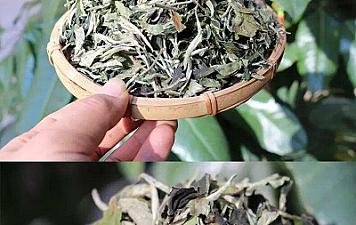
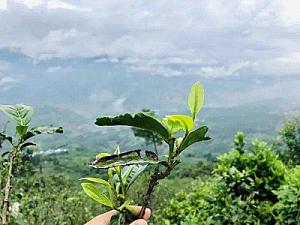
Tieguanyin is typically harvested in spring, known as "mingqian tea." Mingqian tea refers to tea picked before the Qingming Festival, when the leaves are rich in amino acids and tea polyphenols, resulting in a fresher and more vibrant taste. Harvesting ideally involves picking only the nascent buds and two leaves.
Wilting and Rolling: The Initial Shaping of Tea
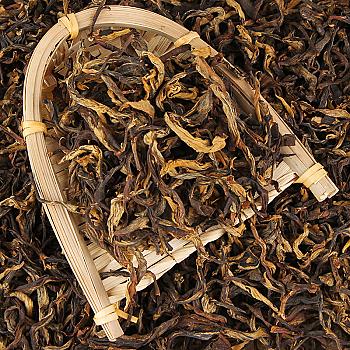
After harvesting, tea leaves need to go through withering and rolling. Withering aims to evaporate moisture from the tea leaves, soften the leaf tissue, and facilitate rolling. Rolling aims to form the tea leaves into curly strips, increase the surface area of the tea leaves, and facilitate fermentation.
Fermentation and Fixation: Key Transformation Processes
Fermentation is the most crucial step in Tieguanyin production. By controlling temperature, humidity, and time, enzymes in the tea leaves undergo a series of complex chemical reactions, producing unique flavor compounds. Fixation stops the fermentation process with high temperature, fixing the quality of the tea leaves. This process requires extremely skillful experience; even slight deviations can lead to a sour or bitter taste in the tea.
Baking: The Soul of Tieguanyin
Baking is an important characteristic that distinguishes Tieguanyin from other oolong teas. By controlling the heat and time, the tea leaves develop a unique caramel aroma and reduce the moisture content, extending the shelf life of the tea. The degree of baking directly affects the taste and aroma of Tieguanyin. Lightly baked Tieguanyin has a fresh aroma and a crisp taste; heavily baked Tieguanyin has a rich aroma and a mellow taste.
Appreciating Tieguanyin: Flavor and Culture
Tieguanyin has a unique flavor, characterized by "rich, mellow, sweet, and refreshing." After entering the mouth, there is first a refreshing floral and fruity aroma, followed by a rich baked aroma, and finally a sweet and mellow tea soup. Appreciating Tieguanyin is not only an enjoyment of the taste buds but also an experience of Minnan culture.
Light Baking vs. Heavy Baking
The degree of baking in Tieguanyin directly affects its flavor. Lightly baked Tieguanyin retains more natural floral and fruity aromas, with a crisp taste, suitable for young people's palates. Heavily baked Tieguanyin, on the other hand, presents a more mellow taste and a rich baked aroma, suitable for people who like strong flavors. Choosing which degree of baking for Tieguanyin depends on personal preference.
Advice for Beginners
For beginners, you can start appreciating Tieguanyin tea from the following aspects:
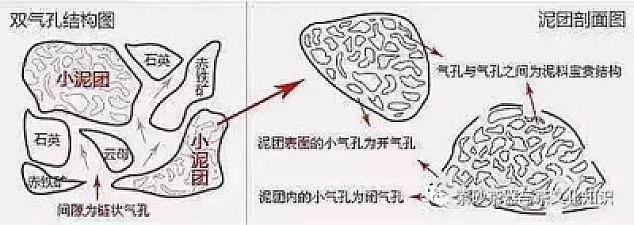
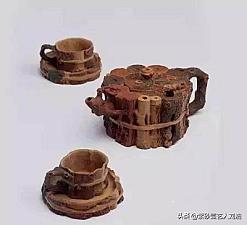
- Choose the right utensils: Yixing purple clay teapots are an excellent choice for brewing Tieguanyin, as they can better absorb the aroma of the tea and enhance the tea-drinking experience.
- Control the water temperature: The appropriate water temperature for Tieguanyin is 95-100℃.
- Control the brewing time: For the first brew, you can shorten the brewing time to allow the tea leaves to fully unfurl.
- Taste and compare frequently: Tieguanyin from different origins and with different degrees of roasting has different flavors, so taste and compare frequently to find your favorite taste.
Tieguanyin is more than just a cup of tea; it's a cultural heritage and a lifestyle. We hope you can feel the sunshine, sea, and warmth of southern Fujian while appreciating Tieguanyin.