
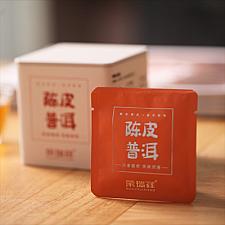



White fuzz, silver crown: a cup of Bi Luo Chun, a scroll of spring in the Jiangnan region.
December 28, 2025






Spring in the Jiangnan region, a gentle, misty rain falls. Biluochun tea, like newly sprouted buds, carries the moisture, sweetness, and poetry of the Jiangnan. This article will guide you to explore the origins of Biluochun, the tea-making process, and how to savor this limited-edition springtime delicacy in the most appropriate way.
White fuzz, silver crown: a cup of Bi Luo Chun, half a scroll of spring in the South.
White fuzz, silver crown: a cup of Bi Luo Chun, a scroll of spring in the Jiangnan region.
“To imitate Dongshi is difficult for Biluochun.” This verse isn’s a criticism, but an ultimate form of praise. It points to the natural, unreplicable beauty of Biluochun. I remember when I was a child, relatives in my hometown would always send a can of Biluochun every spring – the tea with its sweet floral fragrance seemed to seal the entire spring atmosphere of Jiangnan into the jar. A gentle sniff and you’re as if you're surrounded by mountains of blooming tea flowers, with a fresh scent lingering in the air after the rain.
The Origin of Biluochun: From "Luosicheng" to "Biluochun"
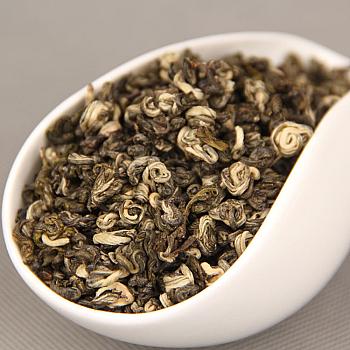
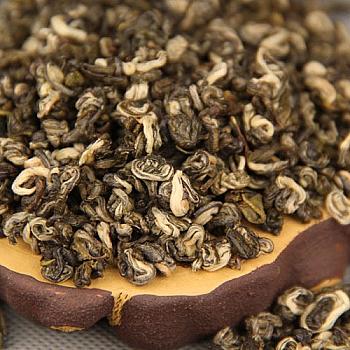
Biluochun didn't initially have that name. Its history can be traced back to the Tang Dynasty, when it was known as "Luosicheng Spring." Legend has it that during the Tang Dynasty, Lu Wang, the magistrate of Huangzhou (present-day Hubei), brought tea trees to Suzhou and planted them on Dongting Mountain. In the Song Dynasty, the tea from Dongting Mountain in Suzhou gained fame for its unique aroma and appearance. In the late Ming and early Qing dynasties, local tea farmers discovered a mutated tea tree on Dongting Mountain. The buds and leaves of this tea tree curled up, resembling small snails, hence the name "Luosicheng Spring."
During the Qing Dynasty, Suzhou's magistrate Wang Cheng renamed this tea from "Luosicheng" to "Bi Luo Chun." "Bi" refers to the vibrant green color of its buds and leaves, "luo" describes its curled shape, and "chun" represents its harvesting season, only obtainable in spring. This name not only highlights its appearance but also imbues it with deeper cultural significance.
Unique tea-making techniques: An ingenious art
The craftsmanship of Biluochun tea making can be described as ingenious. It must be harvested within a short period after the Qingming Festival, only collecting the newly sprouted buds of spring, and these must be "one bud, one leaf" or "one bud, two leaves." The fresh leaves, after harvesting, undergo multiple processes including spreading, fixing, rolling, shaping, and drying. Each process is crucial, and even a slight mistake can affect the quality of the tea.
Killing the Green: This is a crucial step, requiring a rapid reduction of the fresh leaf temperature from 80°C to around 30°C to deactivate enzymes and prevent tea oxidation and spoilage. Rolling: Through rolling, tea cell walls are broken, which promotes the dissolution of tea's internal substances and the release of aroma. Shaping: This is a key step in forming the unique appearance of Bi Luo Chun, requiring manual shaping to curl the tea leaves into a spiral shape. Drying: Finally, through drying, the moisture content of the tea is reduced to around 6%, thus completing the entire tea-making process.
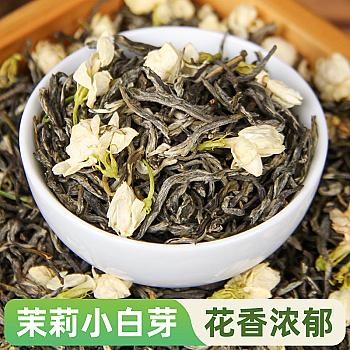
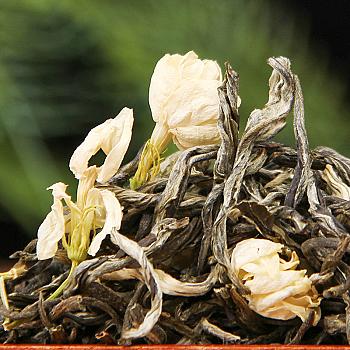
The "white hair" of Bi Luo Chun is an important indicator of its quality. White hair refers to the layer of white fine hairs covering the tea buds, which is rich in polyphenols and amino acids, and the source of the tea's aroma and flavor. High-quality Bi Luo Chun exhibits white hairs, has a vibrant green color, curls into a screw shape, and has tightly bound strands with a clear and lasting fragrance.
Enjoy Biluochun: Experience the beauty of spring's limited edition.
Enjoying Biluochun emphasizes "refinement." The water temperature should not be too high, around 80°C is ideal. When brewing, use a glass or white porcelain cup to observe the graceful unfolding of the tea leaves in the water.
Brewing Techniques:
- Tea Quantity: 3-5 grams per person.
- Water Temperature: Around 80°C.
- Steeping Time: The initial steep should be short, about 15-20 seconds, and then you can gradually extend the steeping time with each subsequent infusion.
- Observation: Carefully observe the process of the tea leaves unfolding in the water, and appreciate its unique curled shape.
- Tasting: Sip gently, appreciating its fresh floral and fruity aroma, and its sweet and refreshing taste.
Biluochun’s taste is sweet and refreshing, with a subtle floral and fruity aroma, and a long aftertaste. It's not just a beverage, but also a carrier of culture, a tribute to spring.
Suggestions for Beginners
If you are new to Biluochun tea, you might consider starting with the following aspects:
- Choose authentic tea: There are many fake and inferior products on the Biluochun market, so purchase from reputable vendors.
- Pay attention to water temperature: Water that is too hot will damage the aroma and flavor of the tea.
- Control brewing time: Over-steeping tea will result in bitterness.
- Enjoy the pleasure of drinking tea: Drinking tea is not only about quenching thirst, but also a way to relax your mind and body and enjoy life.
A cup of Bi Luo Chun tea, half a scroll of spring light from the Jiangnan region. May you feel the vitality and hope of life while savoring this limited-edition springtime delight.