
West Lake Longjing: A verse of spring.
December 28, 2025






Spring at West Lake, veiled in mist and rain. An aged tea farmer, with weathered hands, is picking the first tender buds in the Longjing tea garden. This is not merely tea, but the spring hues of West Lake, a poet's inspiration, a verse about nature, craftsmanship, and culture. Let us together explore the charm of West Lake Longjing and savor a taste of fresh poetic flavor.
West Lake Longjing: A verse of spring.
West Lake Longjing: A verse of spring.
Longjing tea, sourced from Longjing, is characterized by its green color, fragrant aroma, sweet taste, and beautiful shape. This is the most concise definition of West Lake Longjing. However, these few words carry a long history, a unique craft, and a cultural aesthetic integrated with the West Lake landscape.
From the dawn of the tea farmer to the misty fragrance of tea.
I once followed an old tea farmer into the Xihu Longjing tea plantation in the early morning. The air then carried the coolness of the morning and was filled with the fragrance of the earth. The old tea farmer was called Uncle Li, and he had worked in the Longjing tea plantation his entire life. He told me that the best Longjing tea should be harvested during "Chun Niu." "Chun Niu" refers to the period after the Qingming Festival, when the tender buds have just sprouted new shoots, full of vitality.
"Look, these leaves—you have to pick the most tender ones, only two heart-shaped leaves, and they have to be curled into a fish tail shape." Uncle Li pointed at a tea bush, patiently teaching me how to identify the tender buds. He told me that harvesting Longjing tea has very strict time requirements; even a slight deviation will affect the quality of the tea.
The Craft of Longjing Tea: From Fresh Leaves to "Fish Fragrance"
The discerning selection of fresh leaves and their killing.
Picked Longjing tea leaves must be "mingqian tea," which means they are harvested before the Qingming Festival (Clear Brightness Festival) in early spring. These tea buds are tender, juicy, and have a rich aroma. After harvesting, the fresh leaves must be quickly pan-fired to deactivate the enzymes and preserve the green color and fresh flavor. The temperature and time of pan-firing greatly affect the quality of the tea; if the temperature is too high, the tea leaves will turn yellow and lose their freshness; if the temperature is too low, the enzymes will not be effectively deactivated.
Sun-baked Tea: The "Breath" of Tea
After filming, the fresh leaves are spread on a bamboo bed for "tanqing" (oxidation). During tanqing, a series of oxidation reactions occur in the tea leaves, with amino acids and sugars undergoing transformations, forming the unique aroma of Longjing tea. The spreading method needs to be adjusted based on weather and temperature changes to ensure the quality of the tea. Uncle Li told me that the tea leaves should be frequently turned during tanqing to ensure even heating and prevent localized fermentation.
Breaking Old Leaves and Rolling: Shaping the "Fish Fragrance"
Breaking old leaves separates the old leaves and impurities from the tea, while rolling shapes the tea leaves into a curled form, creating the unique "fish fragrance" of Longjing tea. The intensity and duration of rolling significantly impact the tea's quality; excessive rolling can make the tea brittle and affect the taste, while insufficient rolling prevents the formation of the characteristic curled shape.
Drying: Locking in the Essence of Spring
Finally, the tea is dried to reduce the moisture content and lock in the aroma and nutrients. Temperature and humidity must be carefully controlled during drying to prevent spoilage. Uncle Li told me that the best Longjing tea should be dried using charcoal, which enhances the aroma's richness.
Longjing and Poetry: Cultural Inheritance
Longjing tea is not just a beverage; it’s a carrier of culture. It is integrated with the poetic and picturesque beauty of West Lake and the gentle elegance of the Jiangnan region. Numerous scholars and poets have been captivated by the tea’s fragrance, leaving behind many popular poems. For example, Lu You’s “Longjing tea, its taste like spring water, its color like jade,” vividly depicts the characteristics of Longjing tea.
Drinking Longjing: Advice for Beginners
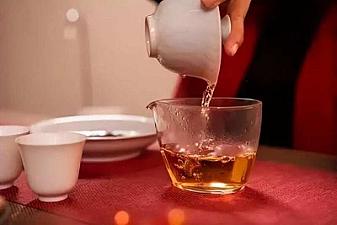
For beginners, when drinking Longjing tea, pay attention to the following points:
- Water Temperature: Longjing tea is best brewed with water around 80°C. Water that is too hot will damage the vitamins and amino acids in the tea leaves, affecting the taste.
- Generally, 3-5 grams of tea per person is sufficient.
- Longjing tea can be steeped multiple times, and the steeping time can be appropriately extended each time.
- You can first smell the fragrance and then taste it, experiencing the Longjing tea's freshness and sweetness.
West Lake Longjing is a verse of spring, a gift from nature, and a cultural heritage. I hope this article will give you a deeper understanding of West Lake Longjing tea and give you the opportunity to personally taste this refreshing poetry.